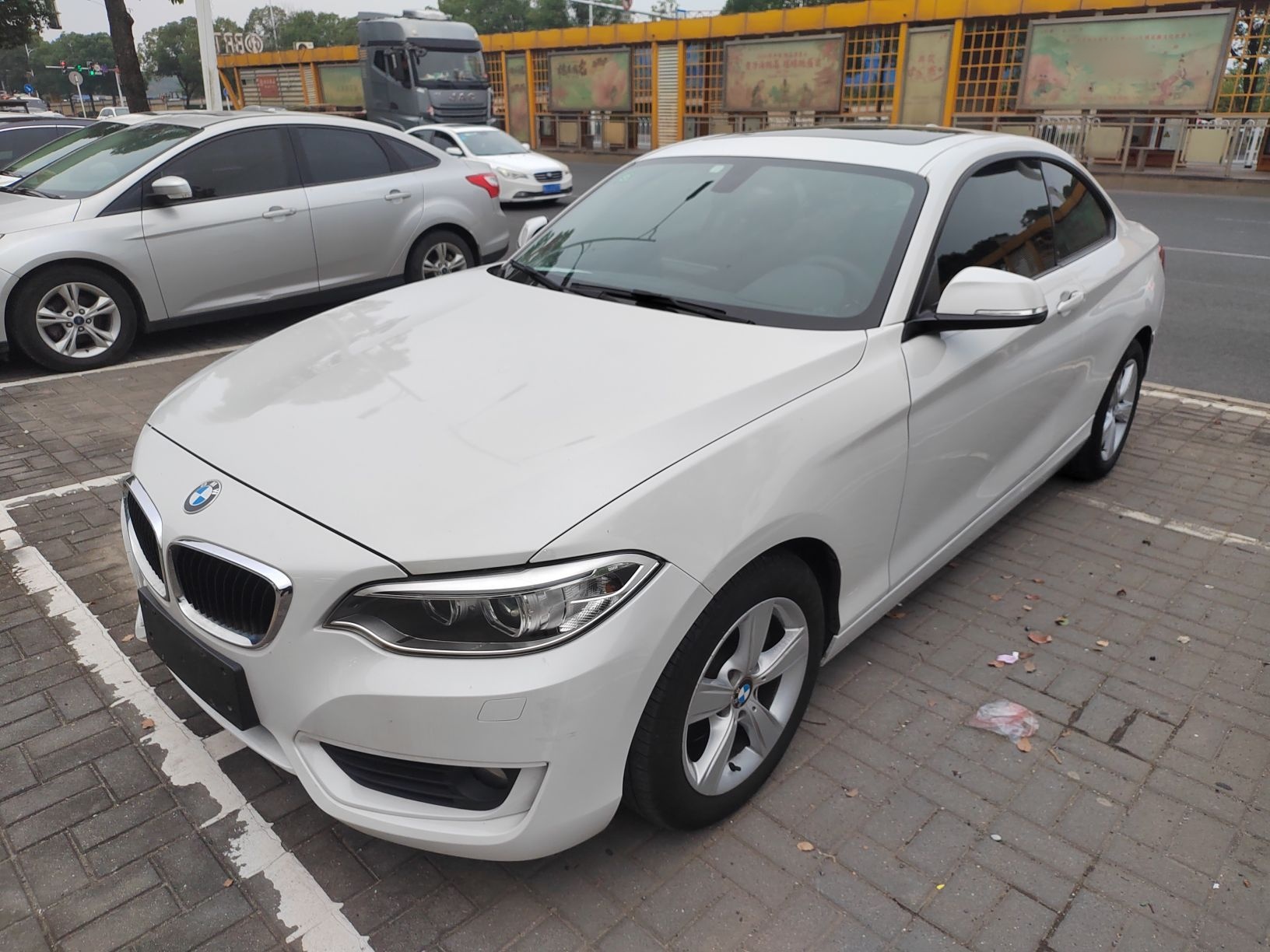
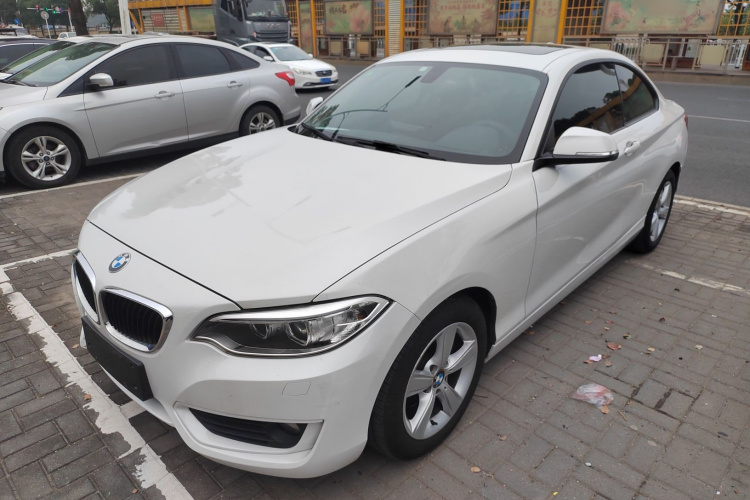
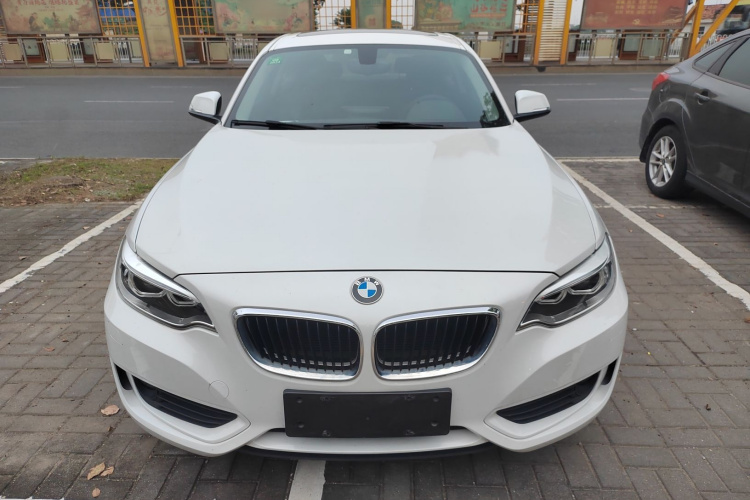
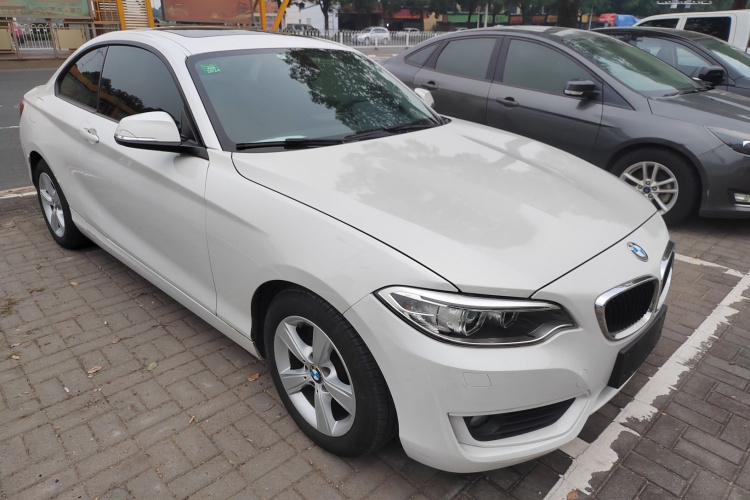



Basic Information

BrandBMW
Series2 Series (Imported)
Year2016
First Registration2016/11
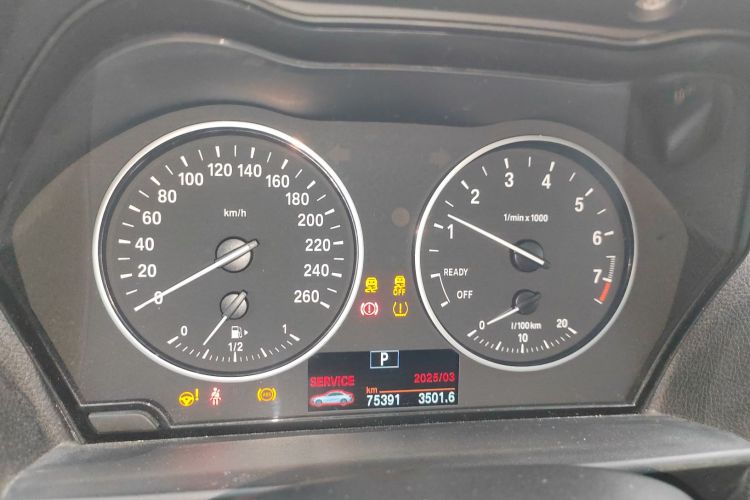
Mileage75,300km
Transfer Count1times
FuelGasoline
TransmissionManumatic
Engine2.0T 184 L4
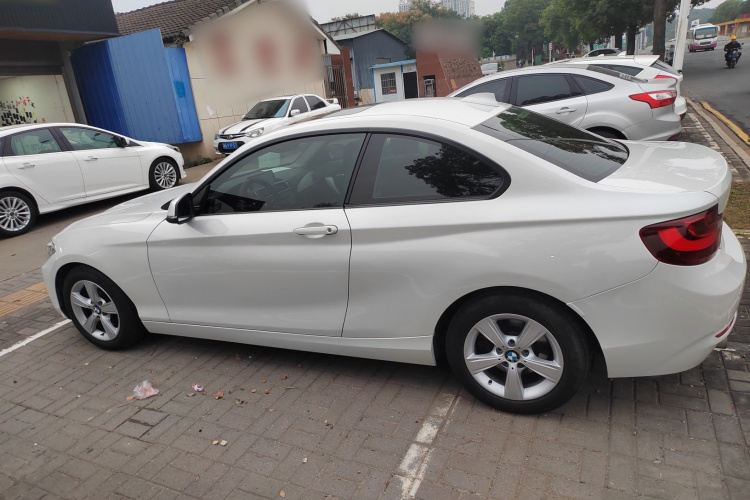
ColorWhite
Seats-

Condition Description

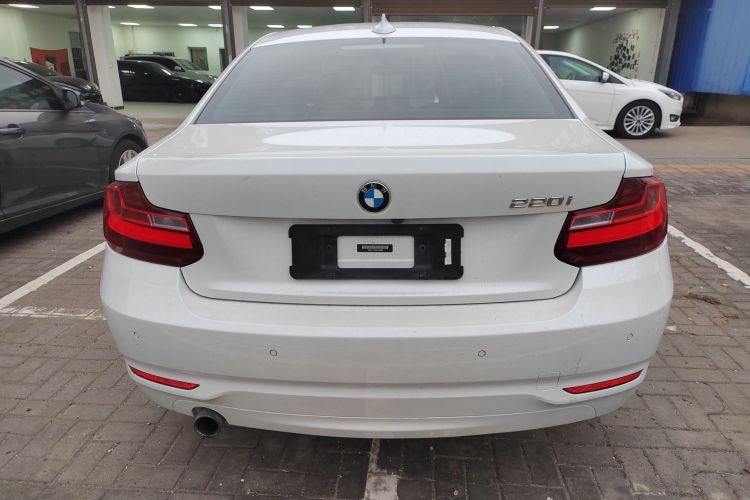
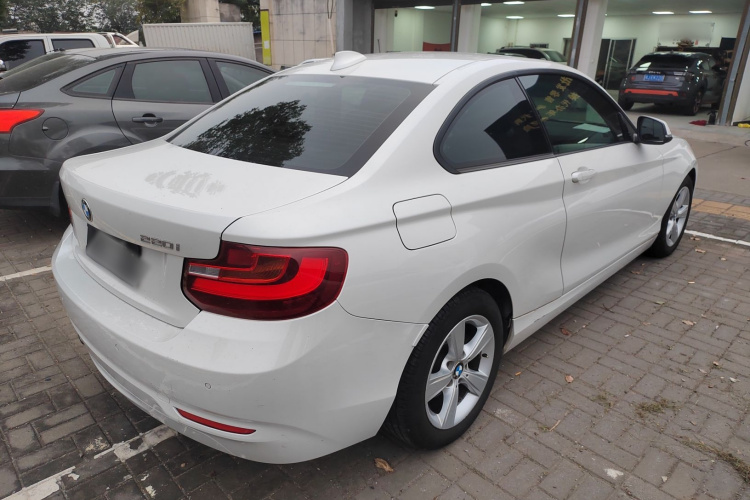
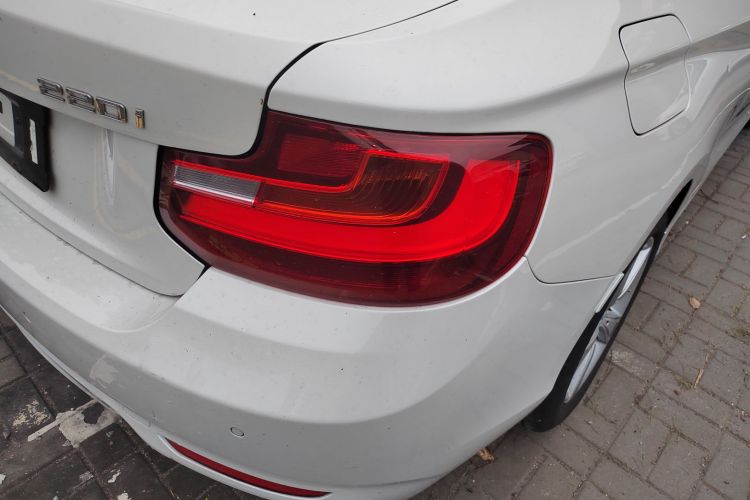
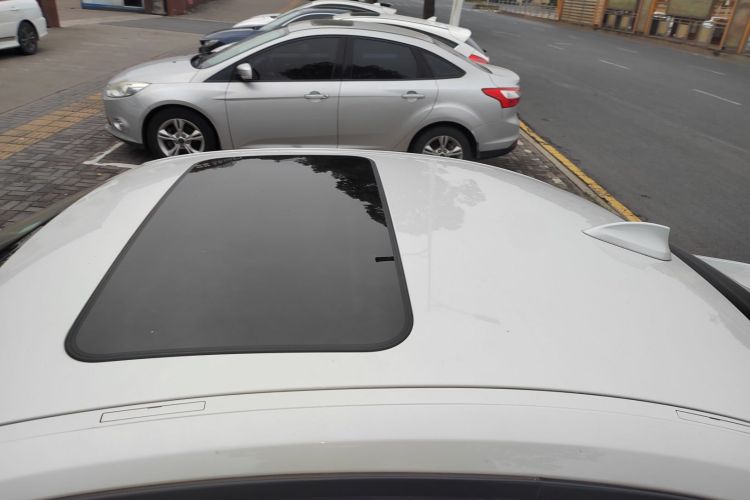
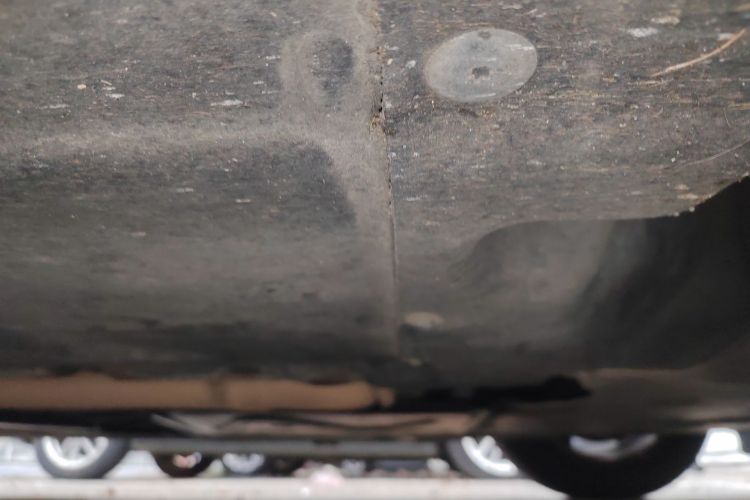
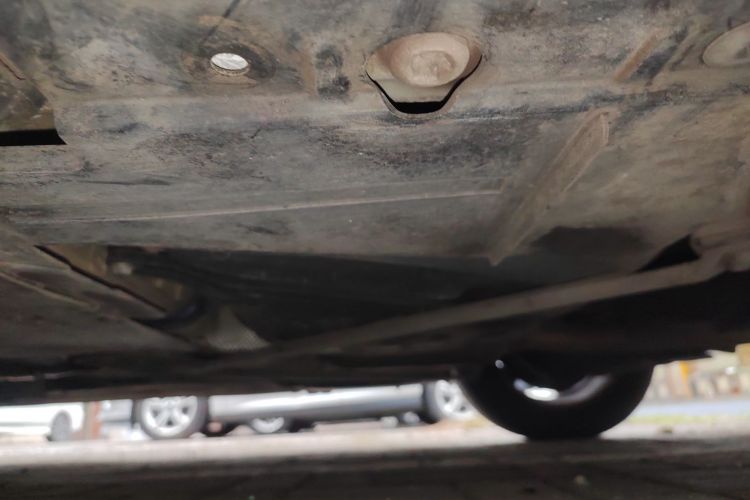
Vehicle in good condition, passed inspection, excellent condition, 4 claims filed, 1 ownership transfer.

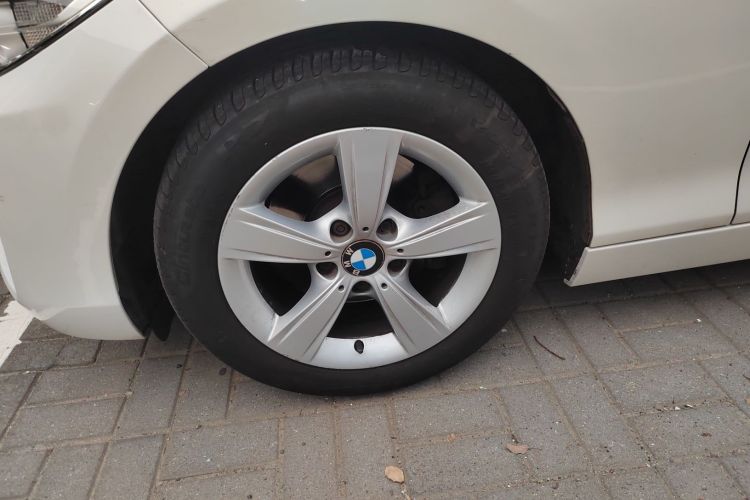
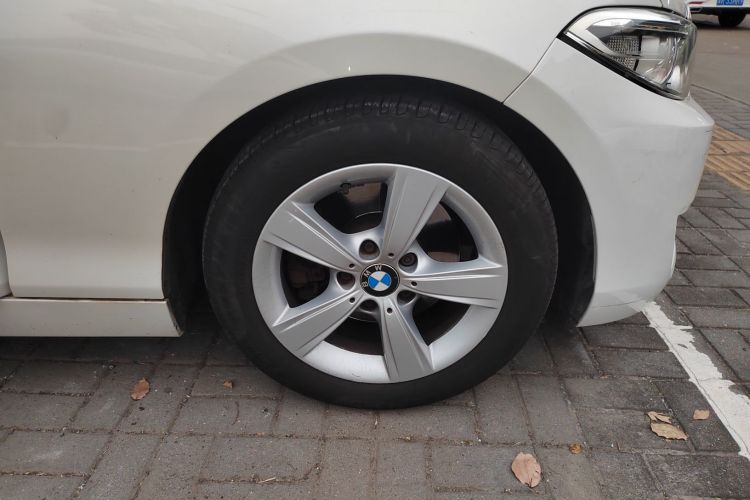
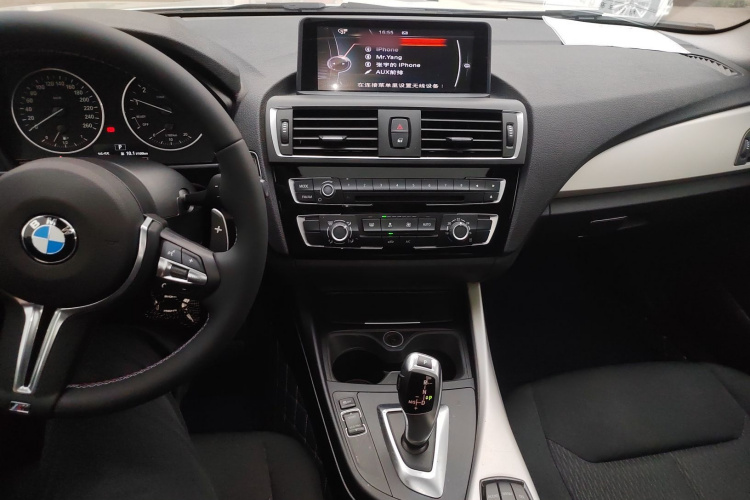
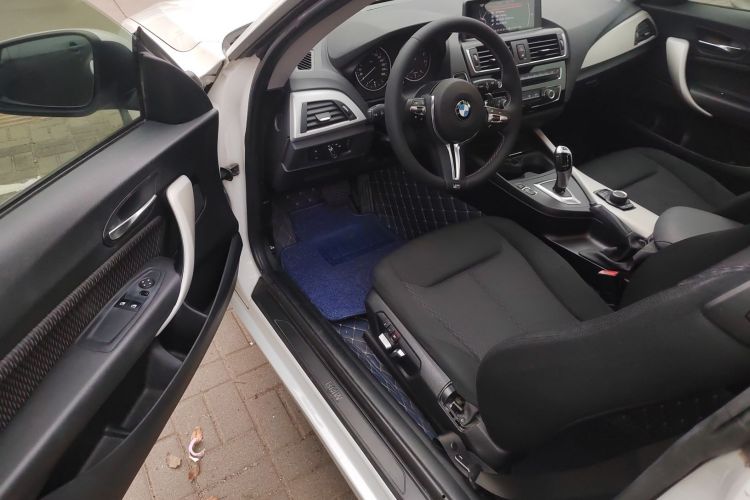
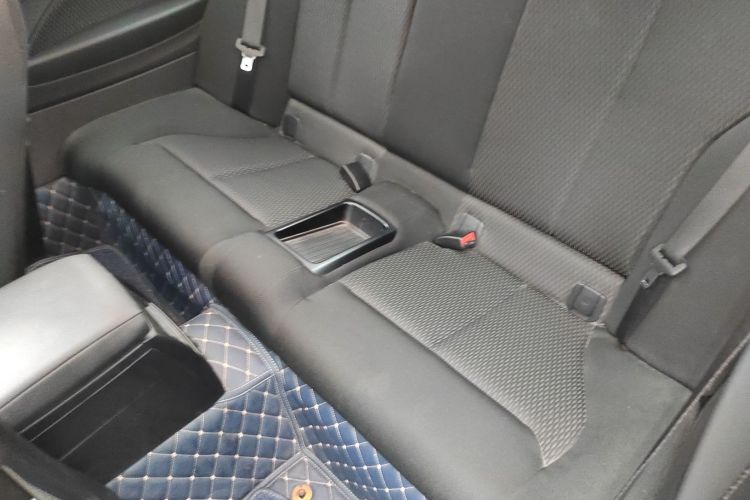
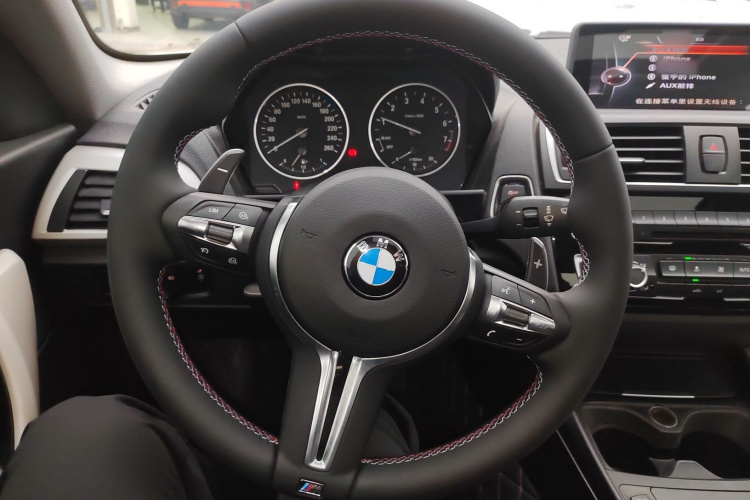
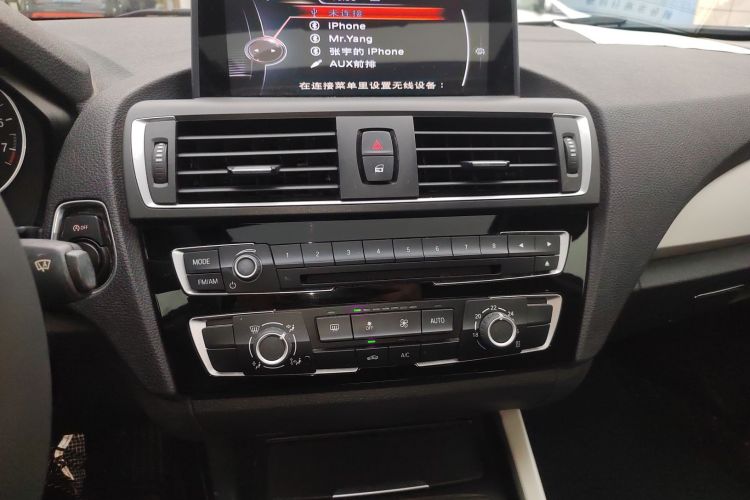
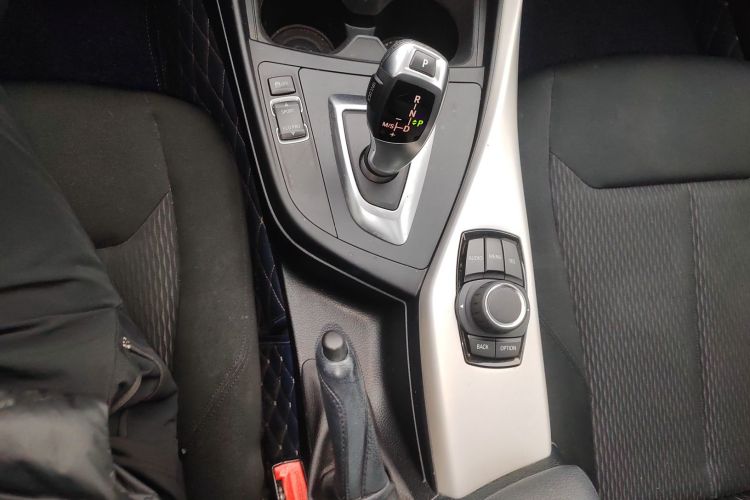
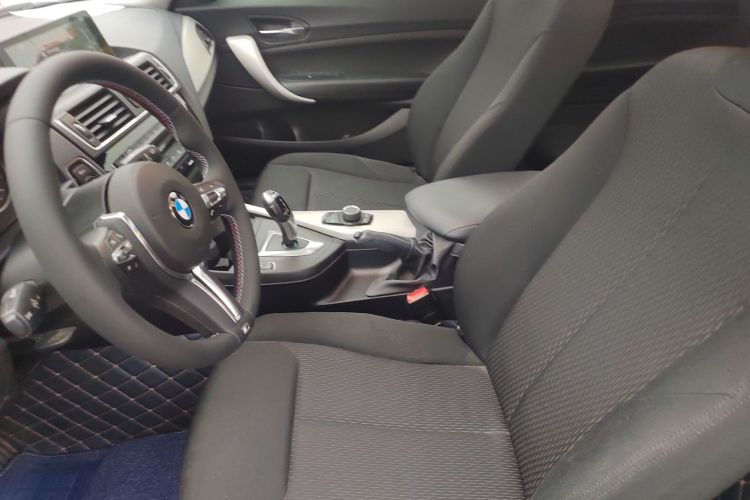
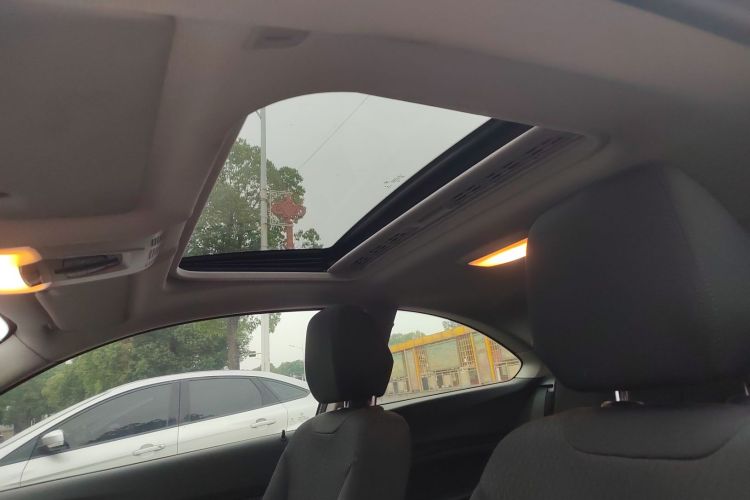
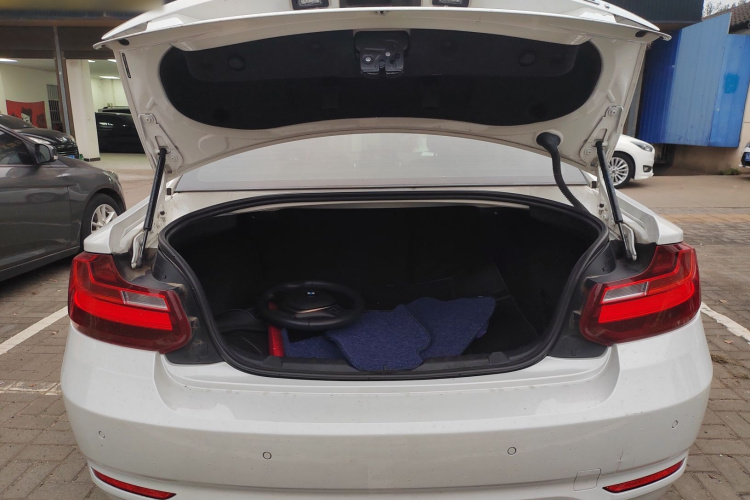
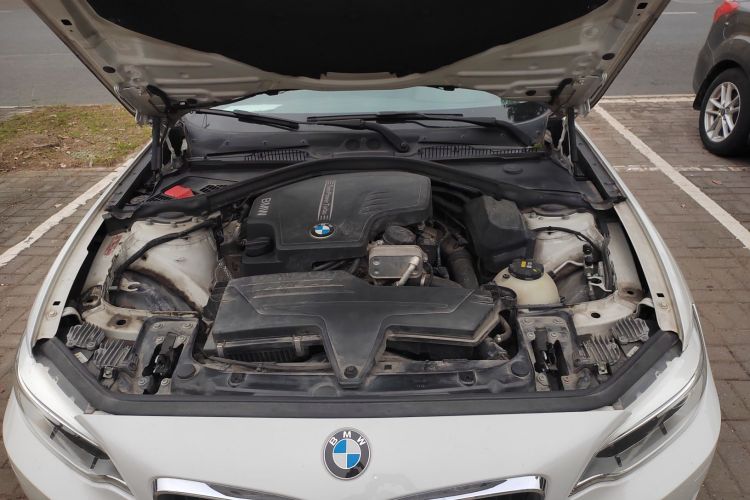
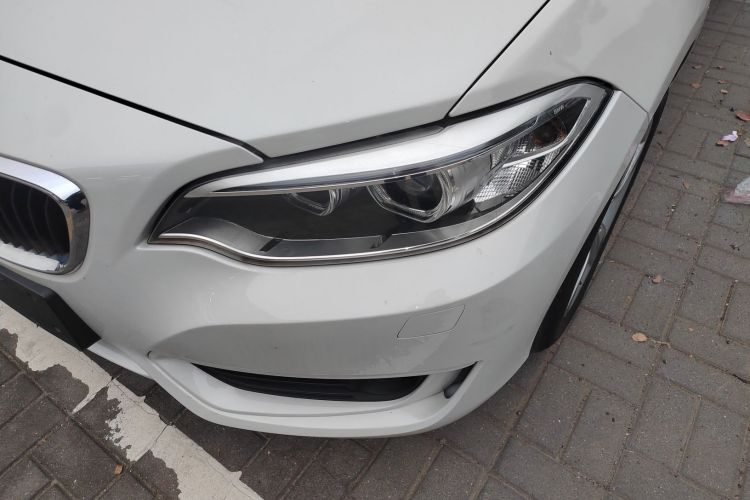
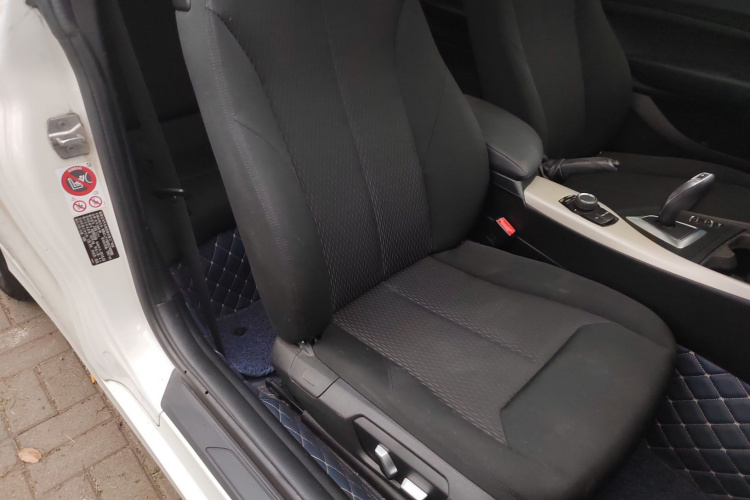
Overall, the vehicle is in good condition. Only the left rear fender has undergone sheet metal repair; the front of the vehicle has not been touched, but there is a record of accidental damage. It offers good value for money due to its low mileage. This 9-year-old vehicle has an average annual mileage of 8,400 kilometers, indicating low usage frequency. It has one previous ownership transfer record. The exterior paint is in good condition, with possible minor scratches. The interior is intact, showing normal signs of use. The overall body frame is intact, with a few minor abnormalities. Fluids are normal, and the powertrain is functioning well.

Configuration Highlights

✓Driver Seat Memory
✓High Beam Assist
✓Rain-sensing Wipers
✓High-definition Low Beam
✓Engine Start-Stop
✓Power Seats
✓Auto Headlights
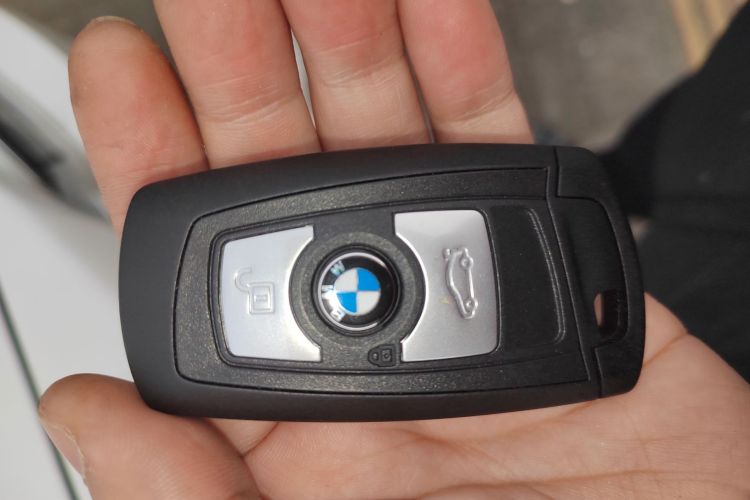
✓Keyless Start
✓Tire Pressure Monitoring
✓Heated Mirrors
✓Rear Parking Sensors

Q&A

More

What is a battery SOH certificate and why does it matter when buying a used EV from China?

SOH (State of Health) measures the battery's remaining capacity as a percentage of its original capacity. Two EVs with the same mileage can have very different SOH depending on charging habits and climate exposure, and since the battery represents 30-50% of a used EV's value, the SOH number is effectively the real price tag. A proper certificate includes current SOH percentage, cell voltage balance, charge cycle counts, battery management system fault codes, and often a projected range estimate. In hot-climate markets like the Gulf, a degraded battery degrades even faster, so a documented SOH above 85-90% is strongly recommended. Exporters who provide verified SOH certificates close deals faster and command better prices, so treat the certificate as a core purchase document, not an extra.

Are all external lighting systems of the vehicle (headlights, taillights, turn signals) confirmed to be functioning properly before leaving the factory?

Yes, all external lighting sources, including low beams, high beams, fog lights, daytime running lights, reverse lights, and brake lights, are included in the mandatory power-on testing.

What is a Certificate of Origin and why do I need one when importing a car from China?

A Certificate of Origin (C/O) is an official document stating where the vehicle was manufactured. Customs authorities use it to decide which tariff rates and trade agreements apply to your import. Why it matters: many countries offer preferential tariffs for certain origins. With a valid C/O, such as the ASEAN-China Form E or a GSP Form A, you may pay reduced or zero duty. Without it, you typically pay the standard, higher rate. The certificate must match the vehicle exactly: VIN, make, model and invoice details. It is usually issued by the China Council for the Promotion of International Trade (CCPIT) or customs authorities. Practical tips: request the C/O before shipment, because adding it later is slow; check that your country's customs accepts the specific C/O format; and confirm with your broker whether your vehicle category qualifies for preferential rates. This single document can save you thousands in duty.

BMW 2 Series (Imported) 2.0T 184 L4

宝马2系(进口) 2014款 220i 领先型

EXW: $10,583
Car CodeSWA1460280
Publish Date