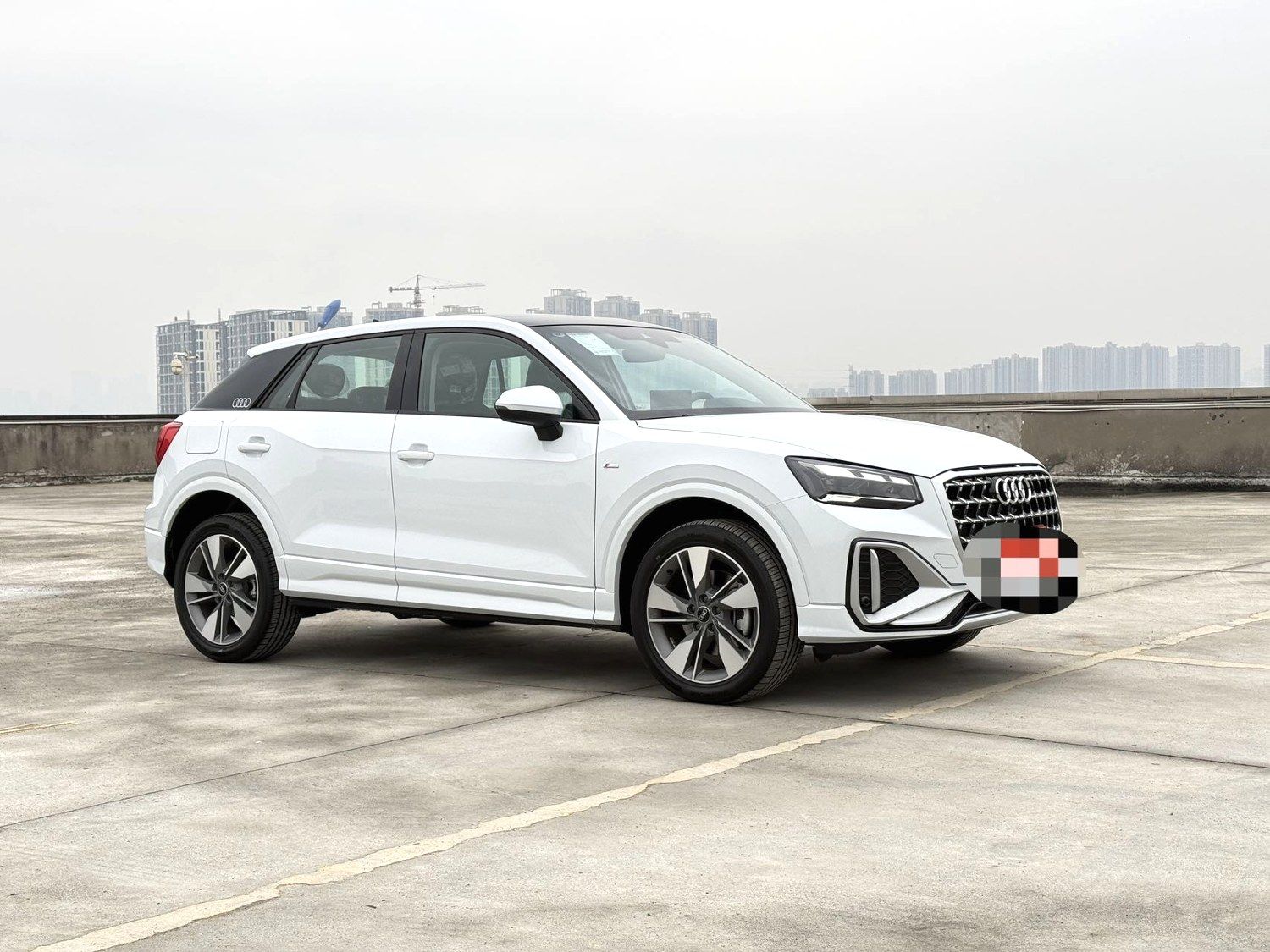
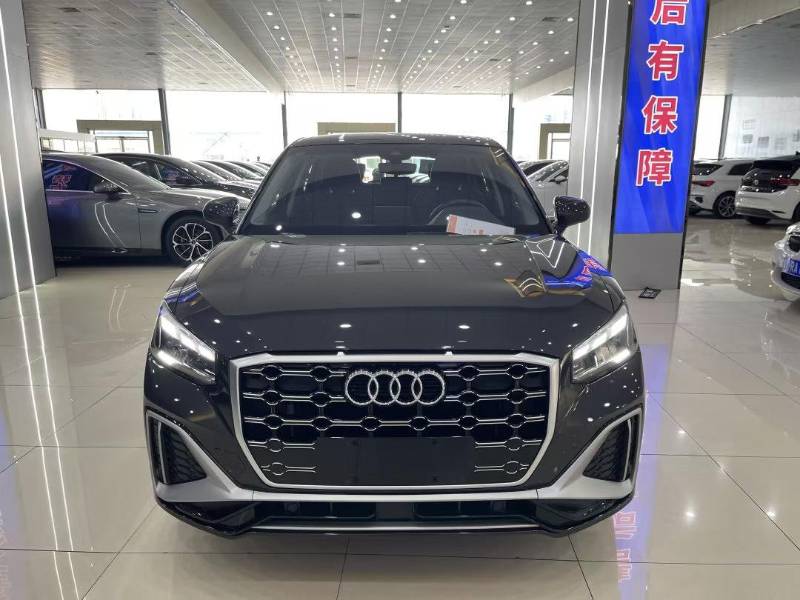
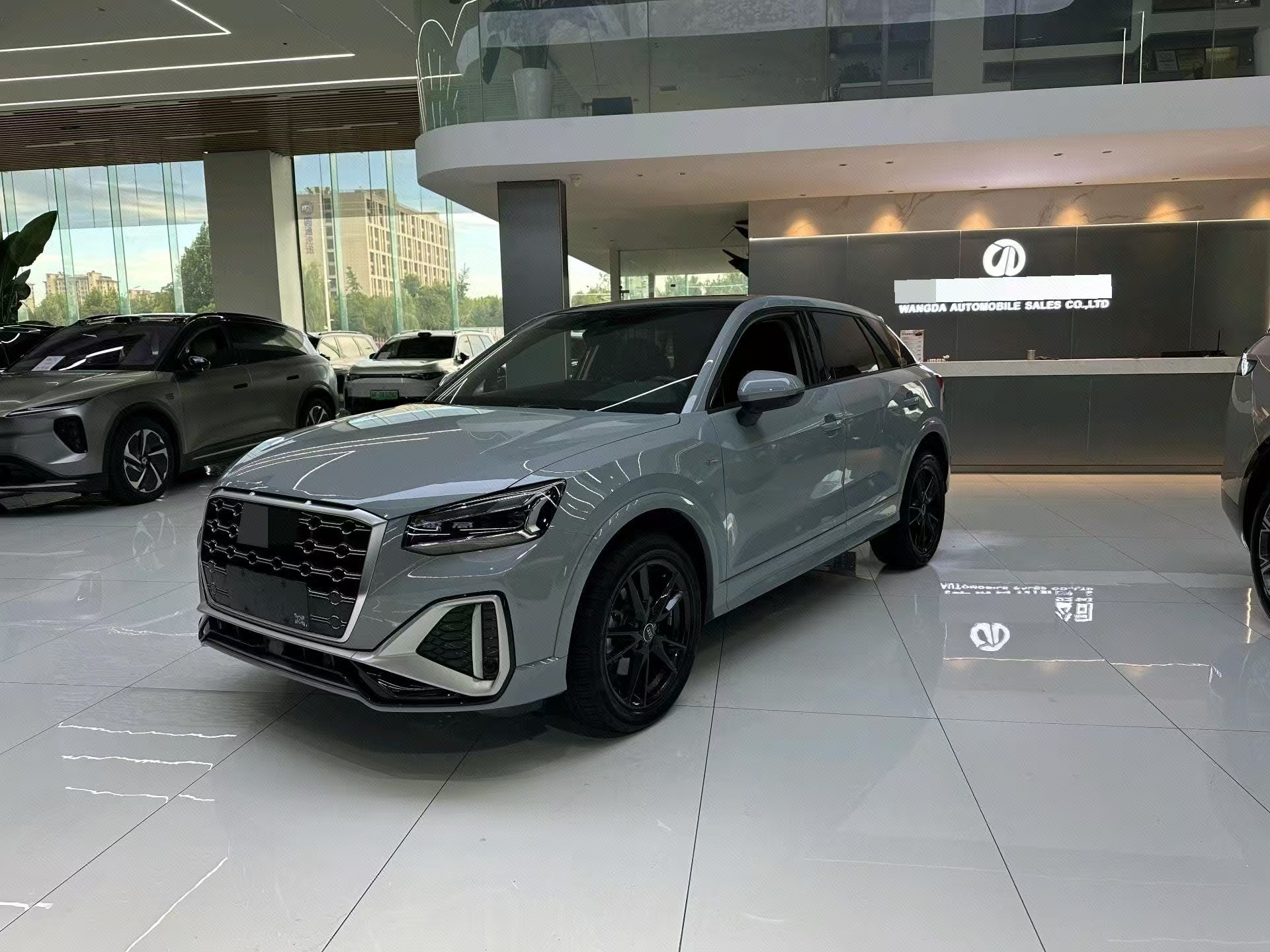
Basic Information

BrandAudi
SeriesQ2L
Year2024
First Registration2024/03
Mileage20,800km
Transfer Count-
FuelGasoline
TransmissionDCT
Engine1.5T 160 L4
ColorBlack
Seats-

Condition Description

very good

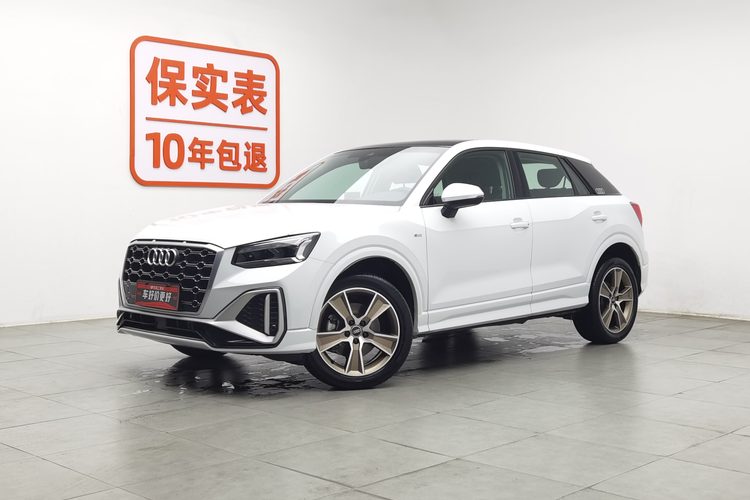
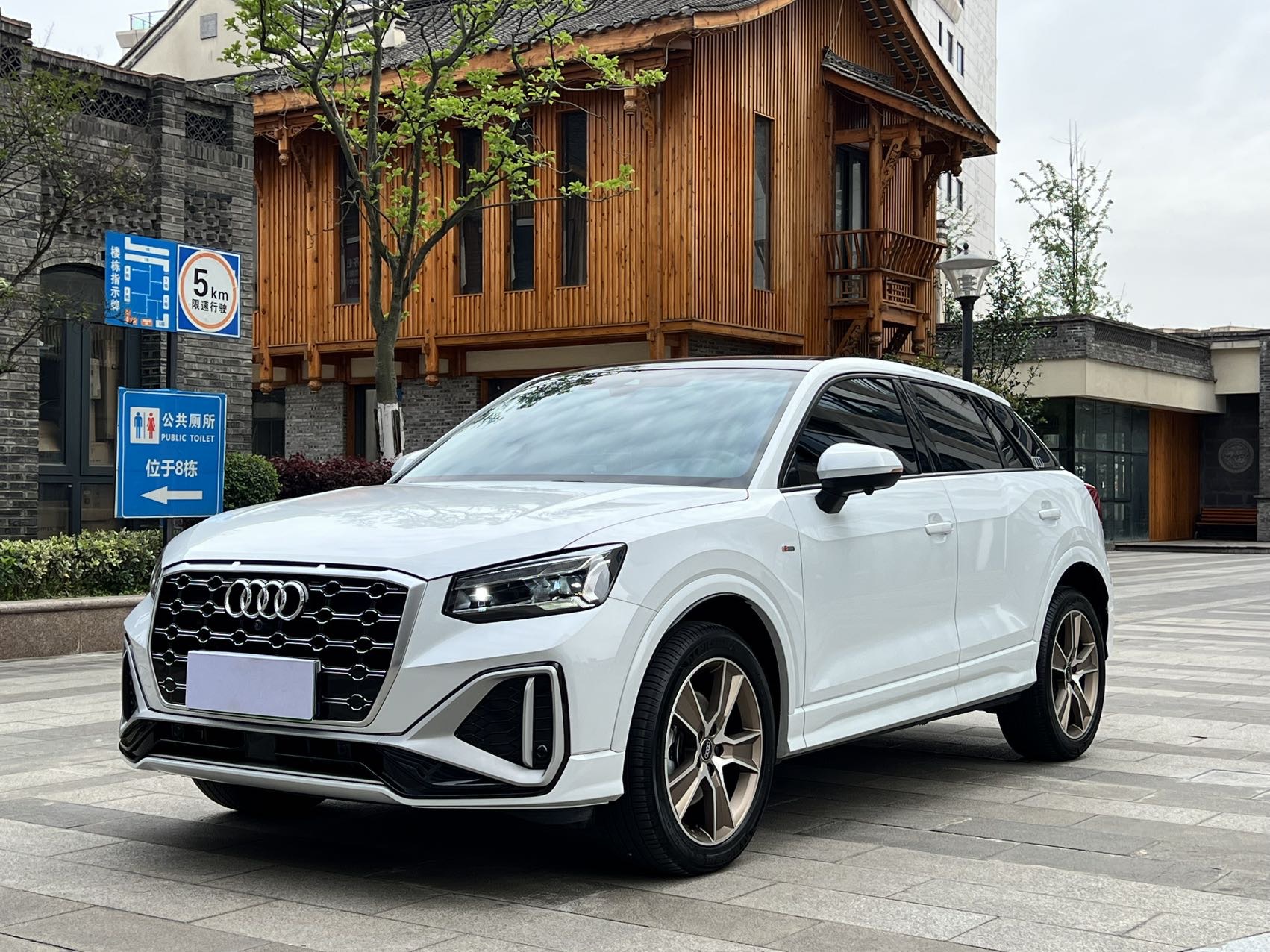
This 2023 Audi Q2L 35TFSI Progressive Dynamic model was first registered in March 2024 and currently has 20,800 kilometers on the odometer. In terms of features, it is equipped with active braking/active safety system, ISOFIX child seat anchors, automatic parking, steering wheel paddle shifters, and Bluetooth/hands-free calling. There are some minor paint touch-ups on the exterior, but the interior is clean, and the engine and transmission are running smoothly. This is a one-owner vehicle. Welcome to visit our dealership to see the car and experience it for yourself!

Newly added
0 transfers

Configuration Highlights

✓Active Safety System
✓ISOFIX Child Seat Anchors
✓Auto Hold
✓Paddle Shifters
✓Bluetooth/Hands-free

Accident & Maintenance Records

Accident Record

🔗 Open Link

Maintenance Record

🔗 Open Link

Document Information

Inspection Expiry Date2026/03
Warranty Expiry Date-
Insurance Expiry Date2026/03

Q&A

More

For vehicles equipped with LiDAR, will damage to the radar surface from stones affect driving?

It does not affect basic driving and regular speed cruise, but it will trigger a fault alert for advanced driver assistance on the dashboard. The LiDAR assembly is extremely expensive, so we focus on checking the integrity of the glass cover with a strong flashlight during inspections.
What insurance should I arrange when shipping a used car from China, and what do Incoterms like FOB and CIF mean for me?

Two separate protections matter: cargo insurance and contractual risk transfer. Cargo insurance: for container or RoRo shipments, buy marine cargo insurance covering total loss and damage, typically 110% of the CIF value (average cost 0.3%–0.8%). Check exclusions — many policies exclude pre-existing damage, so a pre-shipment inspection report is essential to prove the car's condition at loading. Incoterms define who bears risk and cost at each stage: 1. FOB (Free On Board): exporter pays until the car is loaded on the vessel; risk passes to you at that point. You pay ocean freight and insurance. Common and usually cheapest if you have your own freight forwarder. 2. CIF (Cost, Insurance and Freight): exporter pays freight and minimum insurance to your port. Convenient but the insurance coverage is basic — consider topping it up. 3. EXW (Ex Works): you handle everything from the exporter's yard; only choose this if you have a trusted agent in China. Put the agreed Incoterm and port clearly in the contract, and never release final payment before the Bill of Lading is issued.

When B2B buyers make bulk purchases, can they request to combine the accessory costs and vehicle price on the same commercial invoice to reduce overall tariffs?

No, this is a serious customs violation. Complete vehicles (HS Code 8703) and auto parts (HS Code 8708, etc.) are subject to completely different import tax rates. Combining them on one invoice could lead to the invoice being returned by customs and may expose you to tax fraud accusations at the destination port.